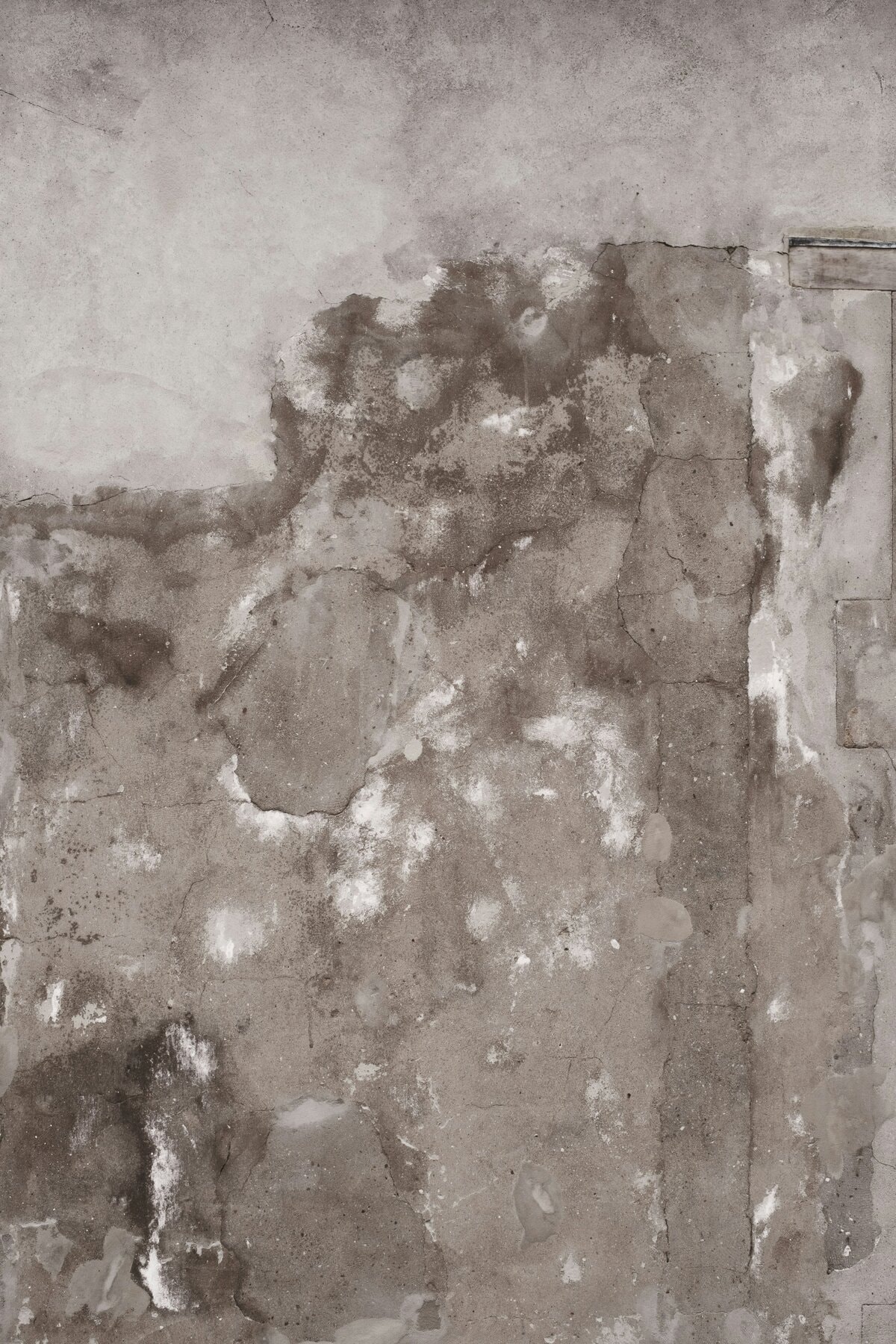
Mold Testing and Prevention: Protecting Your Tallahassee Home from Hidden Threats
If there's one thing I've learned from inspecting hundreds of homes across Tallahassee and North Florida, it's that mold doesn't announce itself. It grows quietly behind walls, under floors, and in attics—sometimes for months or even years before anyone notices. And in our part of Florida, the conditions for mold growth are nearly perfect year-round.
As a Tallahassee native, I've seen firsthand how our climate can turn a small moisture problem into a major mold issue in a matter of weeks. That's why mold testing has become one of the most important services I offer through ACL Home Inspections, and it's something every homeowner in our area should understand.
Why Tallahassee Is a Hot Spot for Mold
Let's be honest—we live in one of the most humid regions in the country. Tallahassee's average humidity hovers between 70-80% for much of the year, and our summers bring a combination of intense heat and heavy rainfall that creates a breeding ground for mold. Here's what makes our area particularly vulnerable:
- Year-round warmth and moisture: Mold thrives in temperatures between 60-80°F with high humidity—conditions we experience nearly every month in North Florida
- Heavy rainfall: With over 60 inches of rain annually, water intrusion through roofs, windows, and foundations is a constant concern
- Older homes with aging systems: Many Tallahassee homes have HVAC systems, roofing, and plumbing that may not adequately control moisture anymore
- Dense vegetation: Our beautiful tree canopy and lush landscaping can trap moisture near foundations and exterior walls
I've inspected homes in every neighborhood from Killearn to Southwood, and I can tell you that no area is immune. Whether your home was built in the 1960s or 2020s, Tallahassee's climate means mold is always a possibility.
Signs of Hidden Mold You Shouldn't Ignore
One of the most common things I hear from homeowners is, "I had no idea there was mold." That's because mold is often hidden in places you don't regularly see. Here are the warning signs I tell every client to watch for:
- Musty or earthy odors, especially in bathrooms, basements, or closets—if it smells off, there's usually a reason
- Unexplained allergy symptoms like sneezing, congestion, or itchy eyes that seem worse when you're at home
- Visible discoloration on walls, ceilings, or grout lines—even small spots can indicate a larger problem behind the surface
- Peeling or bubbling paint, which often signals moisture trapped beneath the surface
- Water stains on ceilings or walls, even if they appear dry—past leaks can leave behind the moisture mold needs
- Condensation on windows or pipes, which indicates excess indoor humidity
- Warping or buckling of floors, especially in bathrooms and kitchens
If you're experiencing any of these, it doesn't necessarily mean you have a severe mold problem—but it does mean you should have it checked before it becomes one.
What Professional Mold Testing Actually Involves
I think there's a lot of confusion about what mold testing is and what it can tell you. When I perform mold testing as part of an inspection, here's what the process typically looks like:
Visual Inspection: I start with a thorough visual assessment of the entire home, paying close attention to areas where moisture tends to accumulate—bathrooms, kitchens, laundry rooms, attics, crawl spaces, and around HVAC systems. My years of experience in Tallahassee homes means I know exactly where to look based on the home's age, construction type, and neighborhood.
Moisture Detection: Using professional-grade moisture meters, I check walls, floors, and ceilings for elevated moisture levels that aren't visible to the naked eye. High moisture readings often lead me to hidden mold problems that would otherwise go undetected.
Air Quality Sampling: When warranted, air samples can be collected from different areas of the home and sent to an accredited laboratory. These samples identify the types and concentrations of mold spores present, giving you a clear picture of your indoor air quality compared to the outdoor baseline.
Surface Sampling: If I find suspicious growth, surface samples can be taken and analyzed to determine the specific type of mold present. This information is critical because different mold species pose different levels of health risk.
Detailed Reporting: You receive a comprehensive report that explains the findings in plain language—not just technical data, but what it means for your home and your family, along with recommended next steps.
Practical Mold Prevention Tips for Tallahassee Homeowners
The good news is that mold is largely preventable with the right habits and maintenance. Here's what I recommend to every homeowner I work with:
Control Indoor Humidity
- Keep indoor humidity below 60%—ideally between 30-50%
- Use dehumidifiers in naturally damp areas like basements and crawl spaces
- Make sure your HVAC system is properly sized and well-maintained—an overworked system in our Tallahassee heat can actually contribute to moisture problems
Improve Ventilation
- Run exhaust fans during and for at least 30 minutes after showers and cooking
- Ensure your attic has adequate ventilation to prevent moisture buildup
- Don't block air vents with furniture or curtains
Address Water Issues Immediately
- Fix any leaks in roofing, plumbing, or windows as soon as they're discovered—in our humidity, mold can begin growing within 24-48 hours of water exposure
- Clean and maintain gutters regularly to direct water away from your foundation
- Ensure proper grading around your home so water flows away from the structure
Stay Proactive with Maintenance
- Inspect under sinks, around toilets, and behind appliances regularly
- Check your attic and crawl space at least twice a year for signs of moisture
- Replace HVAC filters on schedule and have your system serviced annually
- Keep an eye on your roof, especially after storms—damaged shingles can let water in without any visible signs from inside
When to Get Professional Mold Testing
I always tell homeowners that there are certain situations where professional mold testing isn't just recommended—it's essential:
- Before purchasing a home: A mold test during the buying process can save you from inheriting someone else's hidden problem
- After any water damage event: Whether it's a roof leak, burst pipe, or flooding, testing confirms whether mold has taken hold
- If anyone in your household has unexplained respiratory issues: Indoor mold can significantly impact air quality and health
- If you notice any warning signs: Don't wait and hope it goes away—early detection saves time, money, and stress
Protecting Your Investment and Your Family
At the end of the day, mold testing isn't just about your home's structure—it's about your family's health and well-being. Some types of mold can cause serious respiratory problems, trigger allergies, and aggravate existing conditions like asthma. In a climate like ours, being proactive about mold is one of the smartest things you can do as a homeowner.
If you have questions about mold testing or want to schedule an inspection, I'd be happy to help. At ACL Home Inspections, I bring the same thoroughness and local expertise to every mold assessment that I do to every home inspection. Give me a call or text at 850-312-8919, and let's make sure your Tallahassee home is safe, healthy, and protected from hidden threats.